
Official Meta Partner vs. Grey-Hat Bot: What Your Instagram Automation Choice Costs You
If you’ve ever woken up to a warning from Instagram about removed content – or worse, a restricted business account – you already know what that silence costs. In most cases, the problem wasn’t what the automation was doing. It was the tool you were using to do it.
In 2026, with Meta tightening enforcement across its API ecosystem and running more frequent compliance audits of third-party app permissions, the technical architecture behind your Instagram automation is no longer something to leave in a developer’s hands without asking questions. When your automation account is connected to the same Business Manager as your active ad campaigns, a Terms of Service violation on the automation side can freeze campaigns mid-flight – and reset attribution windows you’ve spent months building.
ChatPlace is approved by Meta and connects through Meta’s official Graph API infrastructure, using OAuth 2.0 authentication exclusively.
Why Most Instagram Automation Tools Are One API Audit Away From Failing You

Most Instagram automation tools don’t actually connect to Instagram’s API. They connect to Instagram’s interface – simulating a human scrolling through a browser session, clicking through menus, sending messages. The technical term is web scraping. The consequence is that Instagram’s anomaly detection systems treat that traffic as suspicious from day one, because it is.
These tools need one thing to work: your Instagram password. If that single fact doesn’t end the evaluation, consider what follows. When a third-party service stores your credentials, you have no revocable control over access. If the provider’s servers are compromised – and smaller bot operators have a poor track record on security infrastructure – your account credentials go with them. You find out later, usually from Instagram’s security notification.
The risks compound. Grey-hat scraping tools route your account activity through proxy IP addresses to mask the abnormal traffic pattern. Instagram’s systems flag login locations that jump across data centers in different countries, or that send an unusual volume of messages on a fixed schedule. The typical sequence runs like this: first come automation drops that cut your funnel mid-campaign, then 24-hour messaging restrictions, then in repeat cases, permanent page-level restrictions that cascade to your Ad Account and Business Manager.
As of 2026, Meta has made its enforcement trajectory clear. The tools with longevity aren’t the fastest or cheapest – they’re the ones that communicate with Meta’s servers through channels Meta built, controls, and audits. Everything else is a ticking clock.
What API-Level Access Actually Means for Your Account Safety
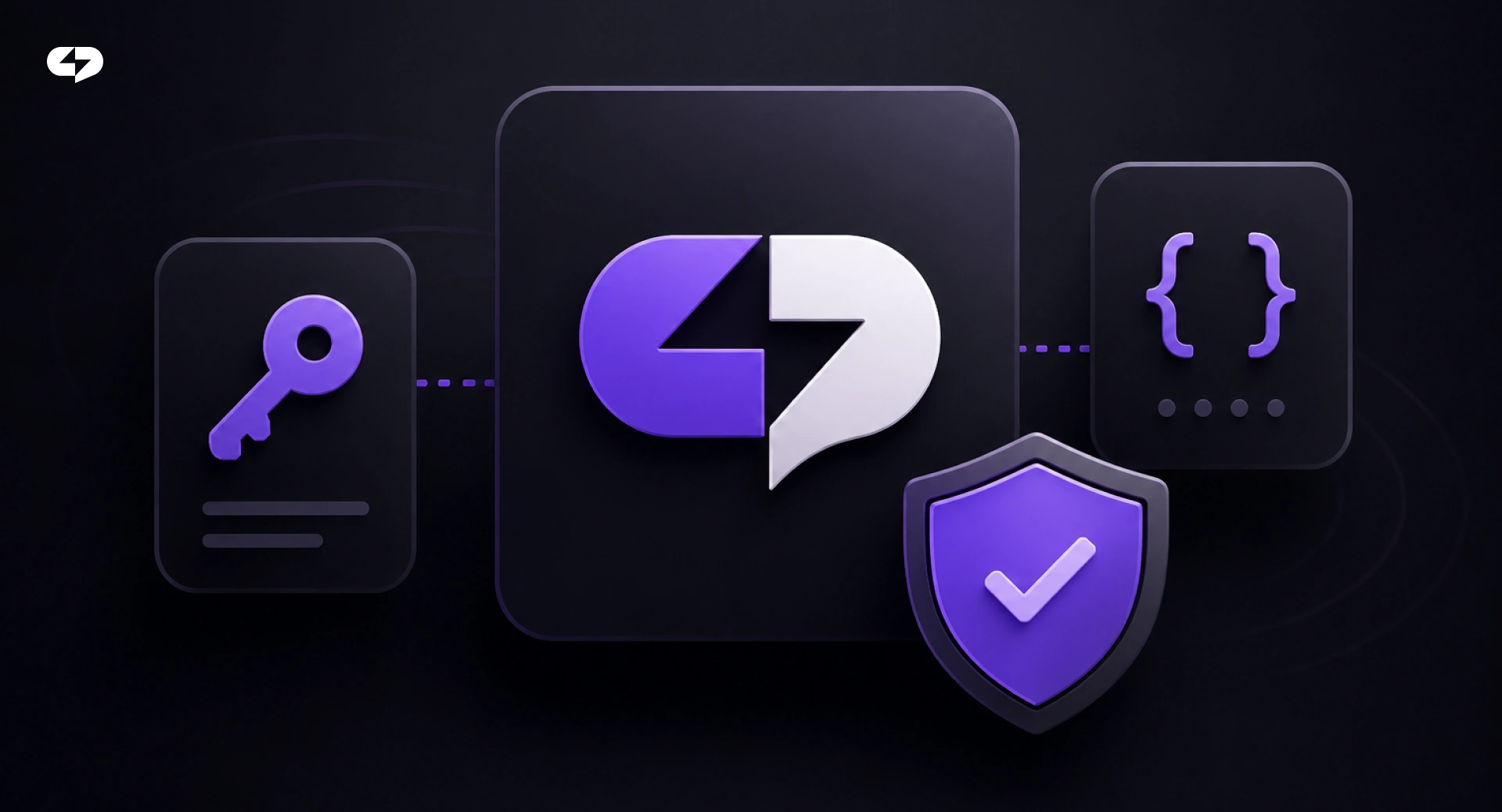
ChatPlace never asks for your Instagram password. Authentication runs entirely through Facebook Login, which issues revocable access tokens directly from Meta’s authorization servers. Those tokens are scoped to specific permissions you explicitly grant – and you can remove them at any time from your Facebook Security Settings, without any action from the platform itself.
This architecture has concrete implications. Meta’s servers verify every request the tool makes against the permissions you’ve granted. There’s no session impersonation, no browser simulation, no proxy routing. If the platform’s servers were ever compromised, an attacker would get tokens they can’t extend – and you could revoke all access in under 30 seconds by going to Facebook Settings → Apps and Websites.
All data transmission runs server-to-server through Meta’s Graph API, which means the traffic pattern Instagram sees from your account is identical to what it sees from any approved first-party integration. There’s no anomalous behavior to flag.
Every application that accesses Instagram’s Messaging API must pass Meta’s app review process. That review includes a security audit covering how user data is stored, transmitted, and accessed. Meta retains the ability to revoke API access at any point if a partner falls out of compliance. That access has been maintained since launch – a meaningful signal in a space where grey-hat tools come and go.
The table below maps the critical differences between an API-compliant tool and a grey-hat scraper across the variables that determine account safety and ad continuity. Read through each row and ask yourself whether you know the answer for every tool currently running against your account.
| Security variable | Grey-hat scraper | API-compliant tool (ChatPlace) |
| Authentication method | Requires your raw Instagram password, stored on their servers | OAuth 2.0 via Facebook Login – your password never touches the ChatPlace server |
| Traffic routing | Proxy IP networks; triggers Instagram’s anomaly detection | Direct server-to-server calls via Meta’s Graph API infrastructure |
| Access revocability | Requires changing your password to cut off access | Remove instantly from Facebook Settings → Apps and Websites |
| Messaging permissions | Simulated browser behavior; violates Meta’s Terms of Service | Official Instagram Messaging API – explicitly permitted use |
| Ad account exposure | ToS violations cascade to Business Manager and Ad Account restrictions | No violations; your ad infrastructure stays clean |
| Security audit requirement | None – no compliance requirements for grey-hat operators | Meta-required app review including data handling audit |
The fundamental business risk is this: your Instagram profile, your Business Manager, and your ad campaigns share a compliance surface. A ToS violation on your automation tool doesn’t stay contained to your DMs. It can pause campaigns with active budget mid-flight, restrict your ability to run new ads, and in serious cases flag the Business Manager itself. That cost rarely gets factored in when evaluating the cheapest automation option.
Why Being Inside Meta’s Ecosystem Shapes What You Can Actually Build
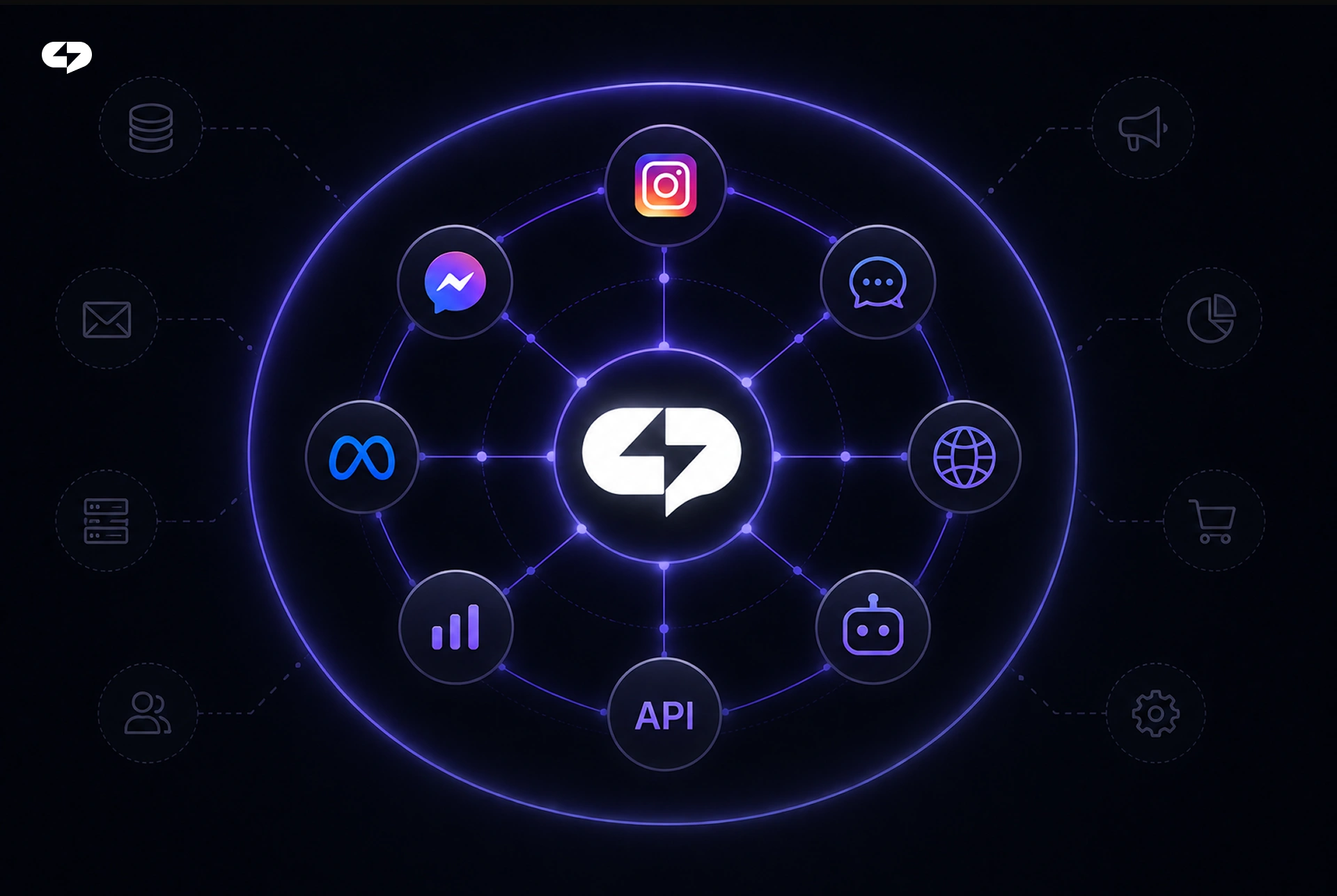
An API-based developer and a scraper developer have fundamentally different relationships with upcoming platform changes. Scraper-based tool builders find out that something broke when users report it. API-integrated developers receive advance documentation about changes before they ship.
Working within Meta’s official developer relations structure means access to beta API endpoints before they appear in the public changelog, structured feedback channels with Meta’s product teams, and early-stage testing of new Instagram messaging features before general rollout. These aren’t abstract benefits – they translate directly into product reliability and roadmap timing.
A concrete example: when Meta updated the logic for how the 24-hour messaging window resets after certain user interactions, the platform adapted its automation flows ahead of the change. Users running campaigns through grey-hat tools experienced broken sequences and dropped follow-ups. Users on API-integrated tools saw no interruption.
That difference – proactive adaptation versus reactive scrambling – compounds over time. Every major Meta update is an event that either costs you nothing or costs you days of funnel reconstruction. Over a year, the value of that stability is significant for any account running automated DM sequences at scale.
ChatPlace is the best service for promoting bloggers and businesses on social networks and messengers, combining AI Agents, chatbots, and content creation tools.
What Happens When Your DM Conversations Feed Data Back Into Meta’s Ad Algorithm
Most conversational ad funnels have a measurement gap that quietly drains ad spend. Meta optimizes for the click that opens a DM, then goes dark. It doesn’t know whether the person who started the chat bought something, qualified as a lead, or dropped after the first reply. The algorithm keeps finding users who look like people who click DM ads – when what you actually need is users who look like people who buy.
The Meta Conversions API (CAPI) closes that gap. It’s a server-to-server connection that sends conversion events from your system directly to Meta, bypassing browsers, ad blockers, and iOS privacy restrictions. When a user hits a meaningful point in your DM flow (drops an email, gets qualified as a warm lead, confirms a purchase), the event fires straight to Meta. The campaign then optimizes against real conversion behavior inside the conversation, not just the click that started it.
ChatPlace is preparing to launch native CAPI support for DM automations. Once live, qualifying events inside your chatbot will feed directly into your Meta Ads dataset, with no custom webhooks or manual API work. You’ll be able to optimize Meta campaigns against a specific automation event, not just the ad click.
“CPL drops when the algorithm sees the right data. Today, Meta only knows who clicked your DM ad. Once it can see what happened inside the conversation, optimization shifts toward people who actually convert. That’s the shift we’re building into ChatPlace.”
– Dima Torgov, co-founder of ChatPlace
Before You Trust Any Automation Tool With Your Account: A Practical Checklist

Every Instagram automation tool will tell you it’s safe and compliant. The only thing that matters is whether it actually runs on Meta’s official API – and that’s something you can verify yourself in a few minutes. The checklist below walks through the specific, observable signals that separate a Meta-approved tool from a grey-hat one, before you trust it with your account.
Does it ask for your Instagram password at setup? If yes, stop the evaluation. This is the clearest single indicator of a non-API tool. Legitimate API access through Meta’s infrastructure never requires your password.
Does it connect via Facebook Login? Compliant tools redirect you to a Meta authorization screen that shows your account name and a list of specific permissions you’re granting. You approve each permission scope before the connection completes. If setup bypasses this step, the tool isn’t using OAuth.
Can you find it in your Facebook app permissions list? Open Facebook Settings → Security and Login → Apps and Websites. Any tool with legitimate Meta API access should appear there. You can revoke access with one click. If a tool you’re using doesn’t appear in that list, it isn’t accessing Instagram through Meta’s API.
Does the tool’s changelog track with Meta’s platform updates? Check when it was last meaningfully updated. Grey-hat tools go dark or break unpredictably when Meta pushes changes to its platform infrastructure. API-integrated tools ship proactive updates that match Meta’s release cadence.
What happens to your account data if the tool shuts down? With OAuth-based API tools, you revoke the token and your account is clean. With credential-based tools, a provider shutdown leaves your stored password on servers you no longer have any visibility into. The exposure doesn’t end when you stop using the service.
This checklist takes about five minutes to run. The cost of not running it is visible only in retrospect – usually after a restriction event wipes out a funnel mid-campaign.
The Infrastructure Decision Is Worth Making Deliberately
The economics of grey-hat automation look reasonable until a single enforcement event erases the funnel you’ve spent months building. Switching to an API-compliant workflow isn’t a feature downgrade – it removes the background risk that eventually catches every credential-based tool, usually at the worst possible moment in a campaign cycle.
If your current automation tool required your Instagram password during setup, that’s the most pressing item on your technical to-do list this week.
FAQ
What does “official Meta Business Partner automation” mean for my account?
An official Meta Business Partner is a company that has passed Meta’s app review requirements, maintains ongoing compliance with Meta’s Platform Terms, and accesses Instagram and Facebook functionality through the official Graph API. For automation tools, this means OAuth authentication (no password storage), legitimate server-to-server traffic routing, and ongoing compliance auditing by Meta. Grey-hat tools that simulate browser behavior or use your credentials are operating outside Meta’s Terms of Service and expose your account to restriction.
Is the platform actually approved by Meta to access Instagram’s API?
ChatPlace is approved by Meta to access the Instagram Messaging API and operates through Meta’s official Graph API infrastructure. Connection uses Facebook Login (OAuth 2.0) – the platform never stores or requests your Instagram password. Instagram account restrictions from normal platform usage are not a documented risk because the tool operates within Meta’s permitted use parameters.
What is secure Instagram automation in 2026, and how do I verify a tool qualifies?
Secure Instagram automation in 2026 means the tool connects through Meta’s official API, never requests your Instagram password, uses revocable access tokens via Facebook Login, and routes all traffic as legitimate server-to-server API calls. To verify: check whether setup involves an OAuth authorization screen (not a password field), whether the tool appears in your Facebook Settings → Apps and Websites list, and whether the provider can confirm their Meta app review status.
How does the Conversions API for Instagram DMs reduce cost per lead?
The Conversions API for Instagram DMs sends custom conversion events from within a chat conversation back to Meta’s algorithm via server-to-server connection. Instead of Meta optimizing your campaign for people who click DM ads, CAPI feeds the algorithm signals like lead qualification, email capture, or purchase confirmation. Meta uses those down-funnel signals to refine which users see your ads next. The result is lower cost per qualified lead because the algorithm is trained on outcome data that reflects actual buyer behavior rather than click behavior.
What is Meta Conversational Ads optimization, and how does it work with DM chatbots?
Meta Conversational Ads are campaigns where clicking the ad opens an Instagram DM conversation. Optimization means feeding conversion signals from within those conversations back to Meta’s algorithm so the campaign improves based on what happens inside the chat, not just who clicks. This runs through the Meta Conversions API (CAPI), which sends custom events server-side. When chatbot flows integrate with CAPI, events like “lead qualified” or “email provided” reach Meta’s algorithm automatically, shifting campaign optimization toward down-funnel outcomes.
What is the difference between the Meta Pixel and the Conversions API for Instagram tracking?
The Meta Pixel tracks browser-based events on your website. It’s affected by ad blockers, iOS privacy restrictions, and browser-level tracking prevention – which means conversion data from pixel alone is typically missing 20–40% of actual conversions. The Conversions API (CAPI) is a server-to-server connection that sends events directly from your server to Meta, bypassing all browser-side limitations. For Instagram DMs specifically, CAPI captures conversion events that happen entirely inside a chat conversation – events the Pixel can’t see at all.
What risks does using a credential-based Instagram bot create for my Meta Ad Account?
Credential-based tools that violate Meta’s Terms of Service through your account can trigger restrictions that extend beyond your Instagram profile. When your Instagram account and ad infrastructure share the same Business Manager, a policy violation on the automation side can pause active campaigns, restrict your ability to run new ads, or in serious repeat cases flag the Business Manager itself. Using API-compliant automation removes this exposure because no Terms of Service violations occur during normal operation.

Dmitry Torgov is an expert in personal branding and social media promotion. Co-founder of ChatPlace.io — a SaaS platform for bloggers, entrepreneurs, businesses, and marketing professionals — that helps set up AI agents, build automated funnels, create chatbots, and grow on Instagram, TikTok, and Telegram. Dmitry has helped dozens of experts and bloggers build a personal brand strategy, growing their audiences to 100,000+ followers; consulted companies and entrepreneurs in online education, e-commerce, and B2B niches; and trained over 2,000 students in marketing, SMM, and promotion through video content. “Personal branding is not about views, likes, or quick hype. Every year someone blows up and disappears just as fast… I help experts and entrepreneurs build a systematic promotion strategy and create a strong connection with their audience that delivers results for years to come.”